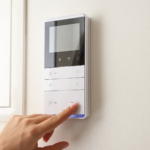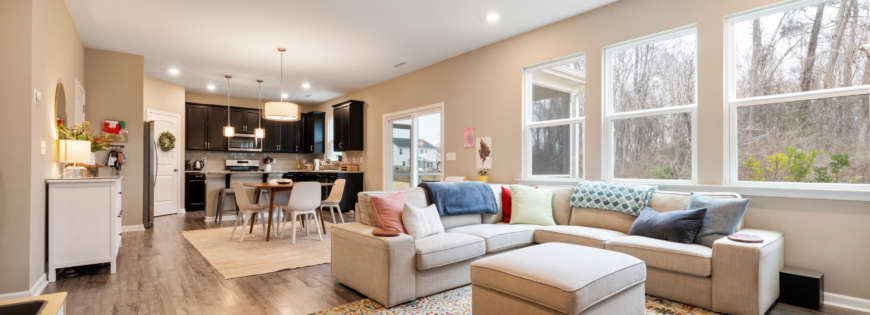
Introduction to Smart Homes Solution in Singapore
A few years ago, the idea of a “smart home” sounded like something only high-tech showrooms or luxury properties could afford. But Singapore has proven otherwise. Today, smart homes are not just a trend — they’ve become a lifestyle upgrade many homeowners consider essential.
Walk into any new condominium launch, landed renovation, or even a modern HDB resale, and you’ll notice the shift. Lighting that adjusts to your mood, curtains that glide open with the sunrise, air-conditioning that cools your home before you step in — these are no longer distant concepts. They’re everyday conveniences, and they’re becoming a natural part of living in a fast-paced, design-driven city like Singapore.
So what exactly sparked this surge?
Why Smart Homes Solution Are Growing in Singapore
There are three main reasons:
- Space-saving convenience
Singapore homes are compact compared to many other countries. Automation helps homeowners maximize every corner through lighting scenes, multi-purpose rooms, and climate control that keeps the home comfortable without wasted energy. - Technology adoption is extremely high
Singaporeans are early adopters — whether it’s e-payments, AI tools, smart appliances, or advanced Wi-Fi mesh systems. This readiness makes smart living feel natural. - Rising expectations for comfort and lifestyle
A smart home isn’t just about gadgets. It’s about making daily routines feel smoother:
- lights that adjust automatically
- curtains that respond to sunlight
- climate control that maintains perfect temperature
- smart locks that make keys unnecessary
Once you experience an automated home, going back feels inconvenient.
What “Home Automation” Really Means
A lot of people think a smart home automation is just “lights you can control with your phone.”
But the real definition is much deeper.
A smart home is a connected, automated, intelligent environment — one that adapts to your lifestyle without constant input.
Automation is the point where your home starts thinking for you:
- The moment you leave, the system shuts down unnecessary devices.
- When you arrive home, the lights and AC come alive automatically.
- At night, curtains close and lights soften without you touching a switch.
Home automation = comfort + intelligence + personalization.
Evolution of Smart Home Technology (Global vs Singapore Context)
Globally, smart home solution adoption grew because of tech giants like Apple, Google, Amazon, and Samsung.
But Singapore’s adoption is different.
While the West leaned heavily on Wi-Fi smart bulbs and app-based gadgets, Singaporeans moved quickly into premium home automation systems, designer smart switches, and multi-brand integrated solutions for condos and landed homes.
Why?
Because Singapore homes demand a balance of:
- space efficiency
- reliability
- aesthetics
- long-term maintainability
Plus, Singapore’s design culture — from boutique interiors to modern architecture — means homeowners want systems that look as good as they perform.
What Is a Smart Home Solutions?
Before diving deeper, let’s define it clearly.
A smart home is an environment where appliances, lighting, security, and climate systems are connected, automated, and controlled through a unified experience — usually via smartphone, tablet, or voice assistant.
Definition: Connected, Automated, Intelligent Living
A smart home solutions is built on three pillars:
- Connectivity
Everything — switches, sensors, curtains, air-con, speakers — communicates through a central system or hub. - Automation
The home responds automatically to time, motion, temperature, voice commands, or personal routines. - Intelligence
Over time, the system learns patterns and adjusts accordingly.
Imagine:
- Your bedroom lights dim automatically as you get ready to sleep.
- Your living room brightens as you walk in with your morning coffee.
- Music starts playing softly during dinner.
- Your security system arms itself when you leave for work.
That’s intelligent living — quiet, seamless, comforting.
How Smart Devices Communicate (Wi-Fi, Zigbee, Bluetooth, KNX, etc.)
Smart home devices need a common “language” to communicate.
Here are the most common ones used in Singapore:
Wi-Fi
- Easy to set up
- Good for entry-level smart devices
- Can be unstable if you have too many devices on the network
Zigbee
- Low power consumption
- Great for large homes
- Very stable and fast
Bluetooth
- Works without internet
- Limited range
- Best for simple devices
KNX
- The gold standard for luxury home automation
- Wired, extremely stable, highly customizable
- Used in luxury condos, landed homes, and hotels
- Full multi-brand compatibility (Legrand, Lutron, Bticino, Ekinex, etc.)
Each protocol has strengths, but in Singapore’s context — where stability and design matter — KNX and Zigbee tend to dominate premium installations.
Singapore Standards & Local Compatibility Matters
This is where Singapore differs from the global market.
Smart home systems must comply with:
- Singapore electrical standards
- Local M&E design
- HDB, condo, and landed wiring rules
- Local 13A switch/socket dimensions
- Triangular switch backboxes
- Compliance with BCA, EMA, IMDA regulations
And just because a product works overseas doesn’t mean it works here.
That’s why multi-brand, Singapore-certified systems such as Legrand, Lutron, Bticino, Ekinex, KNX, and other premium brands are widely used — they fit both our electrical standards and local design expectations.
A smart home in Singapore is not just functional — it must feel refined, be compliant, and work long term in our climate and housing format.
How Home Automation Works
A smart home solution may look effortless on the outside, but behind every smooth scene lies a network of devices working together. Think of it as the nervous system of your home — sensing, reacting, and adapting to your routines.
Let’s break it down in a way that feels intuitive.
The Core Components: Sensors, Switches, Hubs & Controllers
At the heart of every smart home solution are a few essential building blocks:
Smart Sensors
These detect what’s happening around your home — motion, light levels, temperature, humidity, or the opening and closing of doors. They act as the “eyes and ears” of your system.
Smart Switches & Smart Relays
This is where Singapore differs from Western setups.
Most Singapore homes use smart switches, not smart bulbs, because switches control the actual circuits (not just the bulb). Smart switches also look more elegant and integrate better with interior design.
These switches become the “hands” of the system — turning lights, curtains, or appliances on/off.
Smart Hubs or Controllers
These unify everything.
Depending on your setup, the controller could be:
- a KNX gateway
- a Zigbee hub
- an integrated app-based controller
- an Apple Home, Google Home, or Alexa device
This is the “brain,” coordinating how your home responds.
Smart Curtain & Blind Motors
These handle daylight management — opening automatically in the morning or closing during the hottest part of the day.
Connected Appliances
Air-conditioning units, fans, humidifiers, and smart TVs communicate with your system to maintain comfort.
When all these components work together, your home isn’t just connected — it’s orchestrated.
Scenes, Automation Rules & Routines
Scenes are where smart home solution begin to feel magical.
A “Scene” is a preset configuration of multiple devices that activate simultaneously with one tap, schedule, or trigger.
Examples:
“Good Morning” Scene
- Curtains open
- Lights brighten
- AC turns off
- Soft music starts in the living room
“Movie Night” Scene
- Lights dim to warm 10%
- TV turns on
- Curtains close
- Air-con cools the room
“Leaving Home” Scene
- All lights turn off
- Air-conditioning switches to eco mode
- Doors lock automatically
- Security system arms itself
Scenes turn your home into an experience — consistent, intuitive, and ready whenever you are.
Mobile App, Voice Control & Remote Access
This is where convenience truly becomes a lifestyle.
Mobile App Control
Everything is accessible from your phone:
- lighting
- curtains
- climate
- door locks
- cameras
- home entertainment
- energy usage tracking
Singapore homeowners love this because it’s compact, efficient, and easy to manage while on the go.
Voice Control (Siri, Google Assistant, Alexa)
Voice commands bring an added layer of ease:
- “Hey Siri, set the living room to relax mode.”
- “Okay Google, turn off all lights.”
- “Alexa, close the curtains.”
Remote Access
You don’t need to be home to manage your home. Forgot to switch off the AC? Want to unlock the door for a delivery? Need to turn on lights before you arrive? Remote control gives you peace of mind wherever you are.
3.4 Cloud vs Local Control Systems
This is a crucial part of choosing the right automation.
Cloud-Based Systems
- Usually cheaper
- Easy setup
- Ideal for simple setups
- Dependent on internet connection
- Risk of lag or downtime
Local Control Systems (e.g., KNX)
- More stable
- Faster response
- Secure and private
- Ideal for luxury, long-term installations
- Works even when internet is down
Most premium Singapore homes choose local control systems paired with cloud convenience, giving you the best of both worlds — stability and modern connectivity.
Benefits of a Smart Home Solution
A well-designed smart home doesn’t show off. It simply makes life feel smoother, more beautiful, and more connected. Here’s what homeowners appreciate most:
Convenience & Comfort
The biggest advantage is how seamlessly everything works behind the scenes.
You no longer need to:
- walk across the room to adjust curtains
- search for a switch in the dark
- manually tune AC temperature
- worry about whether you locked the door
Comfort becomes automated — and routines become effortless.
Energy Efficiency & Sustainability
Smart doesn’t just mean stylish — it also means responsible. Through automation, your home runs efficiently:
- Lights turn off when no one is in the room
- Air-conditioning adjusts based on temperature and occupancy
- Blinds close during midday heat to reduce cooling costs
- Appliances are shut off automatically when not needed
In Singapore, homeowners typically save 15–35% on annual energy usage. This is not only good for your wallet — it supports greener living, aligned with Singapore’s sustainability goals.
Security & Peace of Mind
Smart home solution security provides layers of protection:
- smart door locks
- video doorbells
- motion cameras
- sensors for windows and doors
- instant mobile alerts
Whether you’re travelling, working late, or leaving your children at home, your home keeps you informed at all times.
You’re not just secure — you feel secure.
Lifestyle Enhancement: Entertainment, Ambience & Personalisation
A smart home solution elevates your living experience — especially for:
- dinners
- movie nights
- gatherings
- relaxation
- productivity
You can create mood lighting, adjust sound, manage temperature, and tailor your environment to match any moment. Best of all, everything feels deeply personal — because you set the rules, the timing, and the ambience.
Popular Smart Home Solutions in Singapore
If you’re exploring smart living for the first time, here are the most common systems installed across HDBs, condos, and landed homes in Singapore.
Each solution blends functionality with design — a core priority for modern interiors.
Smart Lighting Automation
Lighting defines the mood of your home. Smart lighting lets you control brightness, colour temperature, and scenes with ease.
Popular uses:
- warm lighting for night relaxation
- bright daylight mode for productivity
- soft entertainment lighting
This is the foundation of every smart home.
Smart Curtains & Blinds
Curtains glide open when you wake up. Blinds close automatically during the strong afternoon sun. You control everything from your phone or voice assistant.
These are popular in both small condos and large landed homes because they add comfort and sophistication instantly.
Smart Air Conditioning Control
In Singapore’s tropical climate, this is an essential upgrade.
Benefits:
- remote control
- automated temperature adjustment
- energy-saving modes
- improved comfort
Works perfectly across Daikin, Mitsubishi, Panasonic, and more.
Smart Door Locks & Access Systems
No more keys. No more lockouts. Unlock with:
- fingerprint
- PIN
- mobile app
- RFID
- or remotely for guests
Smart locks improve convenience and safety at the same time.
Smart Intercom & Security Systems
Modern homes use integrated intercom and security systems that allow you to:
- view visitors
- unlock doors remotely
- get instant motion alerts
- monitor the home 24/7
This is especially popular for homes with children or elderly residents.
Smart Audio, Home Theatre & KTV Systems
From SONOS multi-room audio to luxury home cinemas, entertainment automation transforms your space into an immersive environment with a single command.
Smart Kitchen & Home Appliances
Appliances can now be:
- scheduled
- voice-controlled
- remotely managed
Ideal for busy homeowners who want convenience without sacrificing safety.
Smart Hotel, Smart Yacht & Commercial Use Cases
Automation isn’t limited to homes. In Singapore, we increasingly see smart systems used in:
- boutique hotels
- luxury penthouse rentals
- yachts
- offices
- cafés and retail stores
They improve experience, efficiency, and energy savings across industries.
What Makes Singapore Smart Homes Different
Smart homes around the world share similar concepts — automation, comfort, energy management — but Singapore has its own unique set of standards, wiring structures, and lifestyle preferences that shape how smart systems are built here.
If you’re researching smart home solutions online, especially from the US or Europe, you’ll often see advice that simply does not apply in Singapore.
Here’s what truly sets our smart homes apart.
HDB, Condo & Landed Property Wiring Differences
Smart home solutions planning in Singapore must begin with understanding the type of home you live in.
HDB
- Uses standard 13A fittings
- Limited rewiring allowed unless renovating
- Often relies on retrofitting solutions
- Smart switches are preferred over smart bulbs
Condo
- Developers may install false ceilings or central air-con systems
- Wiring quality varies between new launches and older developments
- Suitable for hybrid wired/wireless systems
- Smart curtain tracks easily integrated
Landed Homes
- Most flexible
- Ideal for full KNX wired systems
- Custom lighting design and extensive automation scenes
- Room-by-room climate and security control
Singapore’s housing diversity requires a customised approach — not a one-size-fits-all solution.
Local Regulations & Electrical Standards
Smart home devices must comply with:
- Singapore 13A standard wall boxes
- EMA (Energy Market Authority) guidelines
- BCA and SCDF building requirements
- Local M&E (mechanical & electrical) wiring practices
- Voltage differences and circuit control systems
This is why premium brands like Legrand, Lutron, Bticino, Ekinex, and KNX-certified devices are recommended — they fit our switch form factor, last longer in our humid climate, and meet electrical compliance.
The Need for Multi-Brand, Multi-Protocol Integration
The average Singapore home uses more brands and apps than most countries.
Typical setup:
- Daikin or Mitsubishi AC
- Philips lights or LED strips
- Smart curtain motors
- Google or Apple ecosystem
- SONOS speakers
- A mix of Zigbee and Wi-Fi devices
- Security systems from other manufacturers
Trying to control all these from different apps quickly becomes overwhelming.
This is why multi-brand integration is essential in Singapore.
A good smart home solution provider unifies all these brands into a single platform — ensuring one-tap control, consistent scenes, and long-term reliability.
Space Constraints & Smart Storage Solutions
Singapore homes are compact, and automation helps optimise space:
- sensor-activated lights for small corridors
- motorised blinds instead of bulky curtains
- smart audio instead of large speakers
- multipurpose lighting scenes for rooms with dual functions
Automation makes smaller homes feel bigger by enhancing flexibility and flow.
Smart Home Ecosystems & Platforms
Choosing the right ecosystem is one of the biggest decisions you’ll make. In Singapore, these are the four major players:
Apple Home (iOS Ecosystem)
Ideal for homeowners using iPhones, iPads, and HomePods.
Benefits:
- clean, intuitive interface
- fast, local processing
- excellent privacy and security
- easy voice control via Siri
Many high-end homes pair Apple Home with KNX or designer panels for a seamless experience.
Google Home (Android Ecosystem)
Google Home is popular because it’s simple, flexible, and works with many devices.
Benefits:
- excellent voice recognition
- wide compatibility
- easy app-based control
- budget-friendly device options
Amazon Alexa
Although not as common in Singapore as in the US, Alexa is powerful for automation scheduling and voice routines.
Strengths:
- strong smart home ecosystem
- extensive third-party skills
- great for multi-room voice control setups
Open Protocol Systems (KNX, Zigbee, Matter)
These are the backbone of serious home automation.
KNX
- wired, stable
- luxury standard worldwide
- used in hotels, commercial buildings, and landed homes
- supports top brands (Legrand, Lutron, Ekinex, Bticino)
Zigbee
- wireless, fast, reliable
- ideal for condos and HDBs
- low power consumption
- wide device compatibility
Matter
The newest standard aiming to unify smart home devices across brands. Still evolving, but promising.
Why Ecosystem Compatibility Matters in Singapore Homes
Because Singapore households use multiple brands, the ecosystem must be flexible. A strong provider ensures:
- your switches work with your lights
- your AC syncs with your routines
- your curtain motors respond to both the app and the physical switch
- your entertainment system fits into your scenes
Compatibility ensures your home feels like one intelligent system — not a collection of disconnected gadgets.
Multi-Brand Integration Explained
What Multi-Brand Smart Integration Means
It means your smart home system can combine:
- Legrand switches
- Lutron dimming
- KNX room controllers
- SONOS audio
- Zigbee motion sensors
- Tuya curtain motors
- Daikin or Mitsubishi air-con
- Apple Home or Google Home ecosystems
All in one unified interface.
Multi-brand integration gives freedom, flexibility, and long-term reliability.
Advantages Over Single-Brand Systems
Single-brand ecosystems may look convenient at first, but they have limitations:
- limited device options
- fewer design choices
- higher long-term cost
- dependency on one company’s cloud system
- difficulty expanding in the future
Multi-brand systems let you mix premium components based on performance, design, and budget.
Ensuring Seamless Interoperability
This is where professional engineering comes in. A reputable smart home solution provider ensures:
- correct pairing of devices
- stable communication
- compatible protocols
- consistent dimming and relay responses
- cloud + local control balance
- design consistency
Examples of Multi-Brand Switches & Devices Used in Singapore
Common integrations include:
- Legrand Living Now — premium Italian design
- Lutron RA2 / HomeWorks — luxury dimming
- Bticino — elegant modular switches
- Ekinex KNX — modern architectural panels
- GVS KNX — cost-effective KNX options
- SONOS — multi-room audio
- Aeotec & Aqara Zigbee Sensors
A smart home feels premium when every component is chosen thoughtfully — both aesthetically and functionally.
Wired vs Wireless Smart Home Systems
Choosing between wired and wireless depends on your renovation stage, budget, and lifestyle.
Pros & Cons of Wired Home Automation
Pros
- ultra-stable
- zero Wi-Fi dependency
- instant response
- future-proof
- ideal for landed homes and major renovations
Cons
- requires renovation
- higher upfront cost
- longer installation time
Pros & Cons of Wireless Smart Home Solutions
Pros
- great for HDBs and condos
- affordable
- fast installation
- flexible upgrades
Cons
- relies on Wi-Fi or Zigbee hubs
- may require mesh network for large homes
- slightly less consistent than wired
Hybrid Systems for Singapore Renovations
Most Singapore homes use a hybrid approach:
- KNX wired backbone
- wireless Zigbee sensors
- Wi-Fi appliances
- designer smart switches
- Apple/Google ecosystem overlay
This gives the perfect balance between stability and flexibility.
Choosing the Right System for Your Home
Ask yourself:
- Are you renovating the entire home?
- Do you prefer a luxury wired system or flexible wireless one?
- Do you want long-term stability or short-term convenience?
- How many brands and devices do you plan to integrate?
A good provider will guide you based on your home layout, needs, and lifestyle preferences.
Smart Switches & Their Importance
Smart switches are the heart of Singapore’s smart home solutions. They’re the first thing guests see, and the interface you’ll use thousands of times a year.
Why Smart Switches Matter More Than Smart Bulbs
In Singapore:
- switches control the electrical circuit
- switches control LED strips
- switches are required for BCA/EMA compliance
- smart bulbs don’t work when switches are turned off
Smart switches solve this problem by giving you:
- physical control
- app control
- voice control
- scene integration
All while maintaining clean interior design.
Types of Smart Switches
- Relay-based switches (entry-level, affordable)
- Touch glass panels (sleek, modern)
- KNX architectural panels (premium, future-proof)
- Hybrid switches with scene control
Popular Switch Brands in Singapore
- Legrand
- Bticino
- Lutron
- Ekinex
- Orvibo
- GVS
- Simon
- Vimar
These brands meet Singapore’s electrical standards and interior design expectations — especially for condos and landed homes.
Aesthetic vs Functional Considerations
When choosing switches, consider:
- design & finishing
- tactile feel
- durability
- scene control options
- dimming compatibility
- integration with your ecosystem
A well-chosen switch elevates your space instantly — both visually and functionally.
Home Automation for Renovation Projects
If you’re renovating your home soon, this is the perfect time to plan your smart home. In fact, the best results often come when automation and interior design are planned together — ensuring clean wiring, hidden devices, and a polished, intentional finish.
Planning Your Smart Home Solution Before Renovation
The most common regret homeowners share after completing a renovation is this:
“I wish I had planned the smart home earlier.”
Smart switches, lighting circuits, curtain tracks, AC wiring, and networking requirements all work best when decided early.
Before hacking or carpentry begins, consider:
- which rooms need smart lighting
- where motion sensors should be placed
- whether you want wired or wireless systems
- the height and type of curtain tracks
- audio zones for multi-room music
- locations for future smart devices
Working With ID Firms & Electricians
Interior designers and electricians focus on aesthetics and wiring.
Smart home specialists handle automation logic, stability, and compatibility.
Bringing both parties together early ensures:
- clean installation routes
- correct wiring for switches
- seamless integration with lighting plans
- proper concealment of hubs and controllers
- safe connection with the electrical system
When everyone is aligned, your smart home feels like part of the interior design — not an afterthought.
Avoiding Common Renovation Mistakes
These are the mistakes we see most often in Singapore homes:
1. Choosing Smart Bulbs Instead of Smart Switches
Bulbs don’t work if someone turns the switch off.
Switch-based systems are far more practical in Singapore.
2. Not Planning Enough Lighting Circuits
Scenes require different zones, so splitting circuits creates more flexibility.
3. Installing Curtains Without Considering Motorisation
Curtain tracks should be reinforced, aligned, and properly sized for motors.
4. Forgetting AC Compatibility
Some air-con units need third-party controllers — best planned early.
5. Weak Wi-Fi Infrastructure
A smart home solutions can’t run well on poor connectivity.
Avoid these, and you already have 50% of your smart home foundation built correctly.
Retrofitting Smart Systems Into Existing Homes
No renovation? No problem. Modern wireless systems allow:
- smart switches without rewiring
- Zigbee sensors that run on batteries
- Wi-Fi curtain motors that require minimal installation
- smart locks that fit standard Singapore doors
Retrofits are fast, clean, and practical for anyone who wants a convenient upgrade without major work.
Smart Home Network Requirements
A smart home is only as strong as its network.
Think of Wi-Fi as the “bloodstream” of your system — essential, but often overlooked.
Importance of a Strong Wi-Fi Backbone
More devices = more load. From smart switches to cameras, from TVs to sensors, every device needs bandwidth and stability. A common issue in Singapore homes:
“My smart devices keep disconnecting.”
This is almost always caused by:
❌ weak Wi-Fi
❌ poor router placement
❌ interference between devices
❌ lack of mesh systems for large homes
A strong network ensures your automation feels instant and stable across every room.
Mesh Wi-Fi Systems for Larger Homes
For condos above 1,200 sqft or multi-storey landed houses, mesh Wi-Fi is not optional — it’s essential. Mesh systems provide:
- consistent coverage
- fewer dead spots
- faster response for smart devices
- better performance for streaming and automation
Brands like ASUS, TP-Link, Netgear, and Google Nest are commonly used in Singapore.
Network Safety & Privacy Considerations
With smart devices, security is priority. Ensure:
- devices use encrypted communication
- routers have strong passwords
- you avoid unknown brands with suspicious cloud servers
- firmware is updated periodically
Premium brands like KNX, Legrand, Lutron, and Ekinex follow strict international security standards.
Avoiding Over-Reliance on Cloud-Based Devices
Cloud-based systems are convenient — until the internet goes down.
A balanced system uses:
- local control (for lighting, curtains, AC)
- cloud features (for remote access, voice control)
This ensures your home remains functional even during poor connectivity.
Home Automation Scenes & Use Cases
Scenes are where your smart home truly becomes personal. They help your home “behave” in ways that match your lifestyle, routines, and preferences.
Below are the most popular automations homeowners in Singapore enjoy daily.
“Good Morning” Scene
- Curtains open automatically
- Warm lights brighten slowly
- Air-con turns off
- Coffee machine powers up (optional)
- Soft music plays in the living or kitchen
You start the day calm and refreshed.
“Movie Night” Scene
With one tap:
- Living room lights dim to 10%
- Curtains close
- TV and audio system turn on
- Air-con cools the room
- Ambient LED lights create a cosy atmosphere
Instant cinema — without leaving the house.
“Away From Home” Security Scene
When you leave:
- All lights turn off
- AC switches to eco mode
- Security cameras arm
- Smart lock auto-secures
- Random lights simulate occupancy at night
Perfect for frequent travellers or late work days.
“Welcome Home” Scene
Trigger via geolocation or door unlock:
- Entry lights turn on
- AC cools the living room
- Music plays softly
- Curtains adjust based on sunlight
Your home greets you — literally.
“Energy Saving” Scene
- Non-essential lights off
- Fans or AC run in low-power mode
- Sensors adjust lighting automatically
Ideal for families who want comfort without wasted energy.
Building a Future-Proof Smart Home
Smart homes should last 10–20 years, not just until the next app update. Here’s what makes a system future-ready.
Matter & Thread – The Future of Interoperability
Matter aims to unify brands across Apple, Google, Amazon, Samsung, and more. Benefits:
- easier pairing
- cross-platform compatibility
- long-term device support
Thread improves stability and speed in wireless networks. Together, they set the foundation for the next generation of smart living.
Upgradable Switches & Modular Systems
High-quality architectural switches (Legrand, Lutron, Ekinex) allow:
- modular replacements
- firmware updates
- long life cycles
This ensures your system grows with your needs.
Long-Term Device Support
Avoid obscure brands. Choose companies with:
- strong Singapore presence
- reliable after-sales service
- certified installers
- long-term warranties
Importance of Warranty (e.g., 8-Year Limited Warranty)
A smart home isn’t just hardware — it’s an ecosystem.
A long warranty shows confidence in the system’s durability and performance.
Premium providers typically offer 5–8 year warranties, covering:
- switches
- controllers
- sensors
- installation workmanship
This safeguards your home’s intelligence for years to come.
Smart Home Costs in Singapore
Smart home pricing varies widely depending on home type, number of rooms, and level of automation. Let’s break it down realistically.
Entry-Level Automation Costs
Typically:
- smart switches
- basic lighting scenes
- smart curtains
- simple app control
Estimated range: $2,000 – $5,000. Ideal for HDBs and smaller condos.
Mid-Range & Whole-Home Automation Budgets
Full lighting + curtain + AC + entertainment + app/voice control. Estimated range: $6,000 – $15,000 (for condos)
For landed homes: $20,000 – $60,000+ (depending on number of zones)
Price Differences: Wired vs Wireless
| System Type | Cost | Notes |
| Wired (KNX) | Higher upfront | Ultimate stability, luxury homes |
| Wireless (Zigbee/Wi-Fi) | Lower | Fast installation, great for condos/HDB |
| Hybrid | Medium | Best of both worlds |
Subscription Fees & Hidden Costs to Watch Out For
Some systems require:
- cloud-based fees
- app subscriptions
- hub replacements
- proprietary brand renewals
Be cautious of systems that lock you into long-term payments. Premium systems usually avoid this.
How to Choose a Smart Home Provider in Singapore
This might be the most important decision. A smart home isn’t just installed — it’s engineered. Here’s what to look for.
Multi-Brand vs Single-Brand Provider
Single-brand installers may limit your flexibility. Multi-brand integrators offer more design options, better compatibility, and long-term scalability.
Installation Experience & Certifications
Look for providers with:
- KNX certification
- Legrand / Lutron / Bticino training
- proven project portfolio
- experience across HDB, condo, and landed homes
Smart homes require both technical and design expertise.
Technical Support & After-Sales Service
Support matters more than installation. You want a provider who:
- responds quickly
- can diagnose issues remotely
- offers annual maintenance
- provides long-term care
A smart home is only as reliable as the team behind it.
Warranty & Long-Term Reliability
Look for providers offering 5–8 year warranties and transparent replacement policies. Your home should grow smarter — not more complicated — with time.
Why Work With a One-Stop Smart Home Provider
If you’ve read this far, you already understand that a smart home is not just a collection of devices — it’s an ecosystem. And like any ecosystem, it performs best when designed, installed, and supported by a team that understands how everything must work together.
That’s where a one-stop smart home provider becomes invaluable.
Lighting, Curtains, Intercom, AC & Audio Integration
Imagine trying to coordinate five different vendors:
- one for lighting
- another for curtain tracks
- a separate AC specialist
- a security vendor
- and yet another for audio
Each one uses different systems, apps, wiring requirements, and installation methods. A one-stop provider does the opposite. They unify:
- lighting circuits
- motorised curtains
- air-conditioning control
- home entertainment
- switches and room controllers
- sensors and security devices into one single, cohesive experience.
Faster Setup, Lower Cost
A unified provider means:
- no duplicated wiring
- fewer site visits
- coordinated design decisions
- better compatibility
- streamlined installation
This reduces cost while delivering a cleaner, more polished result. It also avoids renovation delays caused by miscommunication between multiple vendors.
Unified App Experience
One of the biggest frustrations homeowners face is juggling multiple apps to control different parts of the house.
A good one-stop provider ensures:
- all devices run under a unified interface
- scenes control multiple brands together
- voice commands work consistently
- remote access is reliable
- your preferred ecosystem (Apple/Google/Alexa) is fully integrated
Simple, beautiful, seamless.
Convenience of Centralised Maintenance & Support
With one provider, you’re supported by one team. If:
- a light isn’t responding
- a switch needs reconfiguration
- a curtain motor needs recalibration
- an automation rule requires fine-tuning
…you don’t have to call multiple companies. A single team manages everything — ensuring long-term reliability and peace of mind.
Step-by-Step Guide to Starting Your Smart Home Journey
Building your smart home doesn’t need to be overwhelming. Here’s a clear, simple roadmap to follow.
Evaluating Your Needs
Start by asking:
- What do I want to automate?
- Which rooms matter most?
- Do I value stability or flexibility more?
- Which lifestyle experiences matter (entertainment, security, comfort)?
A structured list guides the entire design process.
Choosing the Ecosystem
Pick an ecosystem that fits your household:
- Apple Home if everyone uses iPhones
- Google Home for Android-heavy families
- Alexa for voice-first control
- KNX / Zigbee for reliability and long-term use
Your ecosystem becomes the foundation of your smart home.
Selecting Devices & Brands
This is where multi-brand integration shines. You can combine the best of each brand:
- Legrand or Bticino for switches
- Lutron for dimming
- SONOS for audio
- Zigbee for sensors
- Daikin/Mitsubishi for AC
- Elegant KNX touch panels for premium control
Mixing brands gives you flexibility and better performance.
Installation, Testing & Automation Setup
A smart home is built in phases:
1. Installation
Switches, tracks, hubs, AC controllers, and sensors are fitted and wired safely.
2. Configuration
Devices are connected to your ecosystem and tested for behaviour.
3. Automation
Scenes and rules are programmed based on your lifestyle.
4. Fine-Tuning
Adjustments are made after observing your daily routine.
Ongoing Support & Expansion
Smart homes evolve.
You may add:
- more rooms
- new appliances
- improved sensors
- upgraded switches
- more entertainment zones
Good providers support ongoing updates and keep your system fresh and functional.
Frequently Asked Questions (FAQs)
Q1: Is a smart home expensive in Singapore?
It depends on the level of automation.
- Basic setups start from $2,000–$5,000.
- Mid-range systems range from $6,000–$15,000.
- Landed home KNX systems can go beyond $20,000.
Q2: Can I install smart switches without rewiring?
Yes. Most smart switches in Singapore support retrofit installation.
Q3: Which is better: Wi-Fi, Zigbee, or KNX smart systems?
- Wi-Fi is good for simple setups.
- Zigbee is great for condos and HDBs.
- KNX is premium-grade and ideal for long-term reliability.
Q4: Can smart systems work with both iOS and Android?
Yes. Apple Home and Google Home can be integrated into multi-brand systems.
Q5: What happens if the internet goes down?
If your system uses local control (recommended), most functions still work. Cloud-only systems may lose functionality.
Q6: How long do smart home devices last?
Premium devices last 8–15 years. Choose certified brands and professional installation for durability.
Q7: Do smart homes increase property value?
Yes. Smart homes are attractive to buyers because they offer convenience, energy savings, and modern amenities.
Q8: Is it safe from hacking?
With premium systems, proper encryption, and secure networks, a smart home is safe. Always use reputable brands and avoid unverified online devices.
Final Summary – Smart Living, Simplified
A well-designed smart home is more than technology — it’s comfort, beauty, and lifestyle flowing together.
Whether you live in an HDB, condo, landed home, or yacht, smart living gives you:
- seamless daily routines
- energy savings
- improved security
- a more enjoyable home atmosphere
- long-term convenience
The secret lies not in the number of devices, but in how everything works together.
If you choose the right ecosystem, plan during renovation, integrate the right brands, and work with a trusted one-stop provider, your home becomes more than a place to live — it becomes a space that understands you.
Smart living isn’t the future. It’s already happening — and your home can be part of it.